REGULATORY
US Water Utilities Face a Regulatory Wake-Up Call
New PFAS monitoring, lead standards, and wastewater discharge limits are forcing US water utilities to rethink infrastructure investment in 2026
18 Jun 2026
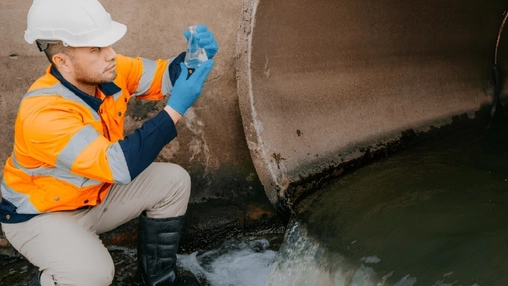
Federal water rules are rewriting utility priorities across the United States. New PFAS monitoring requirements, stricter wastewater discharge limits for power plants, and updated lead standards are all advancing this year, together representing one of the most sweeping overhauls of American water policy in a generation.
PFAS obligations kick in now. Water systems must track a class of persistent chemicals long linked to serious health risks, while tighter discharge limits on steam electric power plants add compliance pressure on industrial operators. Both moves reflect a regulatory push to cut pollution at the source rather than chase it downstream.
Lead is equally central to the EPA's agenda. Updated drinking water standards take direct aim at aging pipes and service lines in cities where deferred maintenance has compounded for decades. The National League of Cities has flagged water infrastructure funding as a top municipal priority, a signal of just how heavily these mandates weigh on local budgets. Smaller utilities face the steepest climb, with significant investment required inside tight compliance windows.
For communities, the payoff is real. Cleaner drinking water and reduced industrial discharge translate into lower long-term public health costs, according to federal regulatory guidance. Markets for treatment technology, monitoring equipment, and infrastructure retrofits are already seeing demand spike as utilities begin to act.
Those that move early stand to gain the most. Securing funding, locking in contractors, and building a record of good-faith compliance well ahead of enforcement deadlines are advantages that slower peers cannot simply buy back later. Communities that invest now will be better positioned for safer, more resilient systems well into the next decade.
Related News


topics on the agenda
DECARBONISING DESALINATION: THE TRANSITION FROM THERMAL TO MEMBRANE AND THE ROLE OF CLEAN ENERGY
DAY 1: undefined
09:00 - 09:25
MOBILE DESALINATION PLANTS WITH EFFICIENT SOLUTIONS TO REDUCE OPERATING COSTS
DAY 1: undefined
09:30 - 09:55
PANEL DISCUSSION ON ENERGY-EFFICIENT DESALINATION: ADVANCING LOW-CARBON SOLUTIONS FOR CIRCULAR WATER SYSTEMS
DAY 1: undefined
11:00 - 11:30
SUBSCRIBE FOR UPDATES
By submitting, you agree to receive email communications from the event organizers, including upcoming promotions and discounted tickets, news, and access to related events.