MARKET TRENDS
The Global Rush to Turn Seawater Into Blue Gold
As traditional aquifers dry up, a massive wave of infrastructure spending is turning the desalination industry into a vital global lifeline
25 Jun 2026
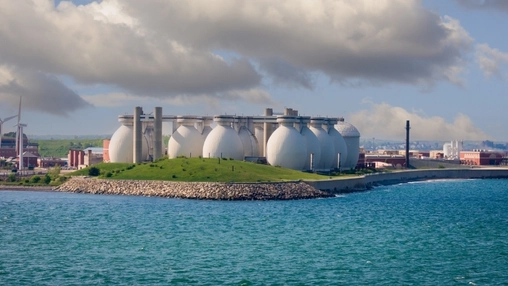
The world is running out of easy options for fresh water. As aquifers dry up and rivers face unpredictable seasonal flows, cities and industries are turning their eyes toward the ocean. The global desalination market, valued at up to 24 billion dollars this year, is expanding much faster than experts anticipated. It is no longer a luxury for wealthy, arid states: it is fast becoming a baseline necessity for global survival.
By pushing saltwater through microscopic membranes, reverse osmosis filters out impurities with increasing efficiency. This technology has become the undisputed heavy hitter in the shift toward desalination. Falling membrane costs have made large-scale plants attractive to municipal planners who used to view the process as a financial black hole.
Historically, the Middle East and Africa dominated this space, holding nearly half of the global market share due to sheer geographic necessity. Today, the real action is shifting to the Asia-Pacific region. Driven by exploding populations and rapid industrial growth, the market there is expanding at a clip of more than 12% annually. South and Southeast Asian nations are fast-tracking massive infrastructure projects just to keep their mega-cities hydrated.
For a long time, the biggest knock on desalination was its massive carbon footprint. Pumping millions of gallons of water through tight filters requires an immense amount of power. That narrative is changing as engineers hook these facilities directly into wind and solar grids. The integration of green energy does double duty, cutting long-term operational costs while appealing to climate-conscious investors.
This convergence of green tech and water security has triggered a gold rush for engineering firms, equipment manufacturers, and green energy providers. What used to be a niche engineering sector is now a cornerstone of global infrastructure. As technology improves, the line between an uninhabitable wasteland and a thriving urban hub will likely come down to a single factor: the ability to turn the tide into drinking water.
Related News


topics on the agenda
DECARBONISING DESALINATION: THE TRANSITION FROM THERMAL TO MEMBRANE AND THE ROLE OF CLEAN ENERGY
Day 1: MONDAY, 21 September, 2026
09:00 - 09:25
MOBILE DESALINATION PLANTS WITH EFFICIENT SOLUTIONS TO REDUCE OPERATING COSTS
Day 1: MONDAY, 21 September, 2026
09:30 - 09:55
PANEL DISCUSSION ON ENERGY-EFFICIENT DESALINATION: ADVANCING LOW-CARBON SOLUTIONS FOR CIRCULAR WATER SYSTEMS
Day 1: MONDAY, 21 September, 2026
11:00 - 11:30
SUBSCRIBE FOR UPDATES
By submitting, you agree to receive email communications from the event organizers, including upcoming promotions and discounted tickets, news, and access to related events.