INVESTMENT
$26 Billion Later, Water Dealmaking Is Back
Water sector M&A rebounded sharply in 2025, with 436 completed deals worth $26B reversing a three-year decline.
29 Jun 2026
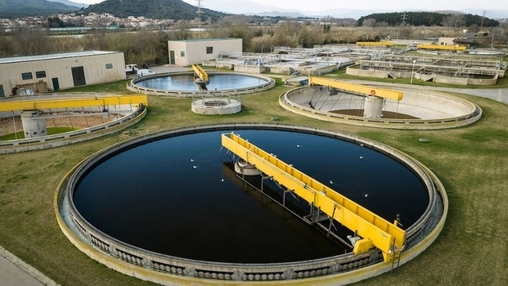
Water sector dealmaking surged in 2025, recording 436 completed transactions valued at $26 billion and ending a three-year contraction that had raised serious questions about the asset class. The rebound, documented in Roland Berger analysis, signaled a broader reassessment of water infrastructure as a durable long-term allocation rather than a cyclical afterthought.
Mid-market momentum and technology-focused acquisitions drove much of the recovery, analysts said. Buyers prioritized regulatory tailwinds, recurring revenue streams, and defensible technology embedded in essential services — a combination that proved sufficient to redirect meaningful capital flows toward the sector globally. Two transactions captured the market's new orientation: Ecolab's move to acquire Ovivo Electronics and Veolia's purchase of a stake in WTS, both targeting digital water treatment capabilities that command premium valuations against a backdrop of aging infrastructure and tightening resource constraints.
Brazil delivered perhaps the year's most striking regional story. Four major infrastructure concessions completed in the second half of 2025 exceeded $2.8 billion in combined value, demonstrating how swiftly regulatory reform can convert latent demand into investable opportunity. Emerging markets with clear policy frameworks are increasingly competitive with established North American and European deal corridors, drawing institutional attention that would have largely bypassed the region just years ago.
For businesses operating water-dependent processes, the investment surge carries concrete implications. Greater private capital flowing into treatment technology and infrastructure means faster deployment of efficiency solutions and broader access to digital monitoring tools. Consumers stand to benefit as modernized concession models introduce performance-linked incentives that prioritize reliability over legacy cost structures.
Heading into 2026, mid-market pipelines remain deep, regulatory reform continues spreading across Latin America and Southeast Asia, and acquirers are still seeking assets where software and treatment chemistry converge. The structural drivers that ignited activity in 2025 show little sign of fading, and their persistence could shape how governments and institutions approach water policy in the years ahead.
Related News


topics on the agenda
DECARBONISING DESALINATION: THE TRANSITION FROM THERMAL TO MEMBRANE AND THE ROLE OF CLEAN ENERGY
Day 1: MONDAY, 21 September, 2026
09:00 - 09:25
MOBILE DESALINATION PLANTS WITH EFFICIENT SOLUTIONS TO REDUCE OPERATING COSTS
Day 1: MONDAY, 21 September, 2026
09:30 - 09:55
PANEL DISCUSSION ON ENERGY-EFFICIENT DESALINATION: ADVANCING LOW-CARBON SOLUTIONS FOR CIRCULAR WATER SYSTEMS
Day 1: MONDAY, 21 September, 2026
11:00 - 11:30
SUBSCRIBE FOR UPDATES
By submitting, you agree to receive email communications from the event organizers, including upcoming promotions and discounted tickets, news, and access to related events.